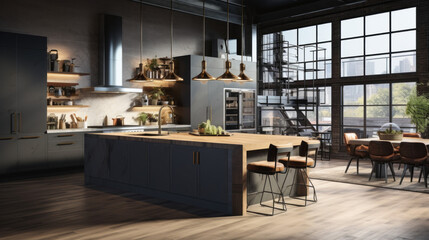
Painting cabinets is a big project, but one that can drastically change the look of a kitchen. Choosing Cabinet Painting Sacramento is essential to ensure the quality of your finished product.
In addition to stain resistance, you’ll want a paint with a sheen that’s durable enough to hold up to everyday use and cleaning. My blind tests showed that Benjamin Moore Advance is the best cabinet paint for durability and sheen options.
Water-Based
When it comes to updating your cabinet paint, choosing the right type of paint is essential for a smooth, professional-looking finish. Whether you prefer the quick drying and low odor of water-based options, the durability of oil-based paints or the eco-friendliness of hybrid cabinet paints, there’s a formula that’s perfect for your project. Using the right paint for your cabinets helps you achieve a durable, long-lasting finish that holds up to everyday kitchen use and resists moisture damage—including mildew growth, cracking, peeling, or bubbling.
Water-based paints have traditionally been known to lack the durability of oil-based formulas, but recent advancements in resin technology mean that today’s water-based paints offer comparable hardness and scuff resistance, making them a great choice for high-traffic areas like your kitchen or bathroom. Additionally, water-based cabinet paints typically dry within an hour and provide easy cleanup with soap and water.
One of the most popular water-based cabinet paints is Benjamin Moore Advance, which offers a superior leveling for a smooth finish and can be purchased in an array of sheens. Other popular water-based options include Sherwin-Williams Emerald Urethane and Behr Urethane Alkyd Enamel.
In addition to a smooth finish, the sheen you choose plays an important role in determining how easy your cabinet paint is to clean. A matte finish hides grease smudges and fingerprints well, while satin provides a subtle sheen with additional durability. Semi-gloss is another common option for cabinet paint that offers a beautiful shine while still being easily cleaned.
Regardless of the sheen you choose, be sure to follow the proper application instructions for your specific cabinet paint. A few common application mistakes—including applying too thick of an initial coat, rushing the process, and not using a foam roller for best results—can lead to orange peel texture or visible brush strokes that detract from your finished look.
It’s also crucial to remember that even after your cabinet paint feels dry, it must cure completely before the protective surface is fully activated. This requires 21-30 days, so don’t rush this step or risk ruining your hard-earned result!
Oil-Based
Painting your cabinets is a great way to update your kitchen and make a huge difference in the look and feel of the room. The key to a successful cabinet painting project is choosing the right paint and following proper application techniques. If you do, your cabinets will have a professional finish that stands up to everyday wear and tear for years to come.
Oil-based cabinet paints are known for their durability and ability to resist moisture, stains, and dirt. They are a good choice for homeowners who prioritize long-term durability over ease of use and cleanup. However, there are a few drawbacks to using this type of paint. Slow Drying: Oil-based paints take up to 24 hours to dry, which can lengthen your cabinet painting timeline. Odor: They emit a strong, pungent odor that requires adequate ventilation during the painting process. Laborious Cleanup: You’ll need mineral spirits or paint thinner for cleanup. Environmental Impact: They contain high levels of VOCs, which can be harmful to the environment.
Water-based paints are a popular choice for many cabinet painting projects. They can be used on any surface, including laminate and vinyl. They dry much faster than oil-based paints, which makes them a more suitable choice for homeowners who want to complete the project in a shorter amount of time. They also emit less VOCs than oil-based paints, making them a safer option for indoor use.
If you’re not comfortable using a water-based paint, acrylic latex is a durable alternative that dries in just a few hours. It can be used on wood surfaces and has a smooth, glossy finish that resists chipping and peeling. It is available in both oil- and water-based versions, with the latter being more eco-friendly and less toxic.
Chalk paint is a water-based paint with a matte, chalky texture that offers a unique and rustic look. It is easy to apply and can be distressed for a more aged look. It has a quick drying time and low odor, making it a good choice for projects with tight deadlines.
Hybrid alkyd enamel paints are a modern hybrid that combine the durability of oil-based paint with the ease of use and cleanup of water-based paints. Sherwin Williams Emerald Urethane Trim Enamel is one example of a high-quality, commercial-grade hybrid alkyd enamel paint that has gained popularity among professional painters and DIYers.
Acrylic & Enamel
The term “enamel” is often used to describe paints that shine. However, the term really only serves as a marketing tool, as there are many different types of enamels with varying chemistries.
Most of these paints are oil-based and solvent-based, which give them a hard, glossy finish that resists chipping and scratching. They also tend to be less expensive than acrylic paints but require more coats to provide adequate coverage. Enamel paints usually emit strong fumes and should be applied in a well-ventilated area.
If you want a durable, long-lasting finish for your cabinets, an enamel or urethane paint is the way to go. However, these types of paints are typically more difficult to apply than latex or acrylic paints. They also take a little longer to dry, which can make them impractical for projects that need to be completed quickly or over a short period of time.
A popular choice for cabinet painting is Sherwin Williams Emerald Urethane Trim Enamel. This hybrid alkyd paint applies like a water-based paint but dries to an oil-based finish, which makes it ideal for DIYers who want a tough, durable finish that cleans up well. It is available in both gloss and satin sheens, which are good choices for kitchens.
Another option for cabinets is Sherwin Williams ProClassic Semi-Gloss Acrylic Enamel. It is similar to the Sherwin Williams Emerald Urethane but has a lower sheen level and slightly different chemistry. Both paints are available in a wide range of colors and will provide a great-looking, long-lasting finish.
It is important to use a good quality primer when applying any type of paint, but especially when painting cabinets. Primer prepares the surface for the paint and helps it adhere better, last longer, and look more vibrant. It also covers imperfections and provides a smooth, even base for your final layer of paint.
When painting cabinets, it is essential to choose a high-quality paint that will withstand the Florida sun and salt water. A professional-grade paint job will protect the wood and add value to your home, making it worth the investment.
Primer
The best primers for cabinet painting will give you a smooth finish that holds up well against moisture and stains. They can also help prevent damage from scratches or other blemishes. They can be used with both water-based and oil-based topcoats, but they need to dry completely before applying a second coat. It’s recommended to lightly sand between coats with 220-grit sandpaper to avoid a milky or cloudy appearance, especially over dark colors.
You should always prime before you paint, and kitchen cabinets are no exception. Choosing a mildew-resistant product, like KILZ 3 Premium Primer, is essential to keep moisture levels and humidity in check.
Using a good quality primer will ensure that your cabinets look smooth and clean, even after the topcoats are applied. It will also promote adhesion and block stains so that your topcoats will last.
While you may be tempted to skip priming when you’re painting over a light shade, it’s critical for a beautiful and long-lasting finished project. If you skip this step, your cabinets could start peeling or chipping.
Consider contrasting shades to create a modern or rustic design. For example, pairing a muted shade like Shaved Coconut with a darker hue such as India Ink can instantly update your room. Alternatively, opt for primary colors to bring a bold, playful feel to your space. You can tone down the boldness with a neutral wall color and complementary hardware.
For a smooth, glass-like surface that will stand up to the wear and tear of a busy kitchen, consider satin or semi-gloss cabinet paint. It will still reflect some light, but it won’t show up every single smudge or finger mark.
Another option for a smooth and durable finish is a polyester-based auto primer. This type of primer is often used in the automotive industry because it has what’s known as “amazing build” – it fills in small scratches and blemishes and helps the paint bond to the surface. It’s easy to work with, sprays well and cleans up quickly. However, it can be brittle and more prone to cracking than urethane or epoxy once dry. That’s why it’s best suited for smaller touch-up projects rather than whole-body bodywork.